
If you start with SEO in the German-speaking world, you often end up at Seobility. And rightly so. It's cheap, solid and covers the basics of on-page optimization extremely well.
I've used it for years in smaller projects and in coaching sessions.
But at some point you hit a glass ceiling.
The problem:
Seobility is good at finding errors (broken links, missing H1s). But modern SEO in 2026 takes a lot more than fixing technical errors.
If you want to dominate rankings today, you need more than a crawler. You need deep competitor data, international keyword databases that reach beyond the German-speaking region (DACH), and above all AI-powered workflows that save you time.
Maybe you're noticing yourself that you've “outgrown” Seobility. Either because your clients expect more professional reports or because you're spotting keyword opportunities that Seobility simply doesn't show.
Then it's time for the next step.
In this article I introduce you to 8 Seobility alternatives that I've been using for years in my own projects and client setups when Seobility hits its limits.
- Best all-rounder: SE Ranking. A solid upgrade if you want more data and pro features but don't want to give up the clarity of Seobility.
- For SEO and advertising in one tool: Semrush. If the budget fits and you want to analyze competitors across channels.
- For beginners and bloggers: Mangools. A narrow focus on keyword research instead of deep technical features.
The best Seobility alternatives in detail
1. SE Ranking
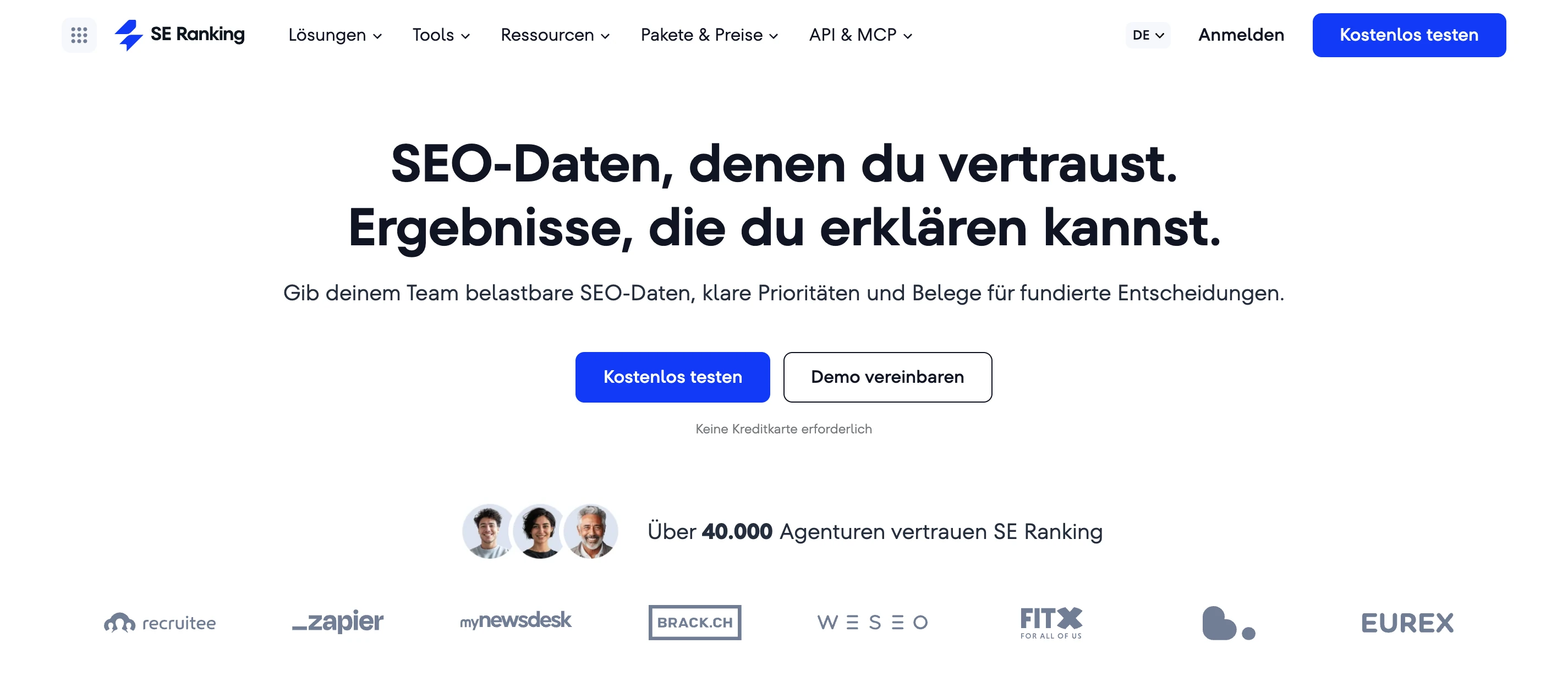
SE Ranking is currently the most obvious Seobility alternative for me if you want a real suite without switching to a complex enterprise solution. I've used it since 2021 alongside Ahrefs and SISTRIX, and I also recommend it as part of my SEO course.
The biggest difference from Seobility comes down to ambition.
Seobility is strong in classic on-page. SE Ranking covers that too, but goes much further in competitor analysis, rank tracking and reporting.
Specifically, you get keyword and ranking tracking, backlink analysis, website audit, content tools and competitor analyses under one interface. Despite the range of features, it stays easy to use. It doesn't overwhelm you on first contact the way Semrush or Ahrefs do.
The data foundation is in a different league, too.
In my projects, I regularly find keywords with SE Ranking that simply don't show up in Seobility. Especially outside the German-speaking region, the difference is clear. If you work internationally or want to grow in the future, you need this depth.
The crawler is fast and finds errors as reliably as Seobility, but presents them in a more modern way.
On top of that comes the focus on the new forms of search. SE Ranking tracks AI Overviews, ChatGPT answers and other LLM platforms and provides its own AI visibility analyses. In 2026 that's no longer a nice extra but a must.
Also relevant for agencies is the white-label reporting. Reports can be served under your own domain (for example seo.youragency.com), which looks much more professional in client presentations than a generic PDF.
That said:
SE Ranking isn't the best in class in every area. For very large backlink profiles, its database is smaller than Ahrefs'. And if you track purely for the German-speaking region and care about a visibility index and historical data, SISTRIX still has the edge. So if you seriously pursue only one of these two disciplines, you should combine SE Ranking with another tool rather than use it alone.
In short:
SE Ranking is a good choice for agencies with scaling ambitions and in-house SEOs who work internationally. It's for everyone who needs more data and strategy but doesn't want to give up the comfort of Seobility.
2. Screaming Frog SEO Spider
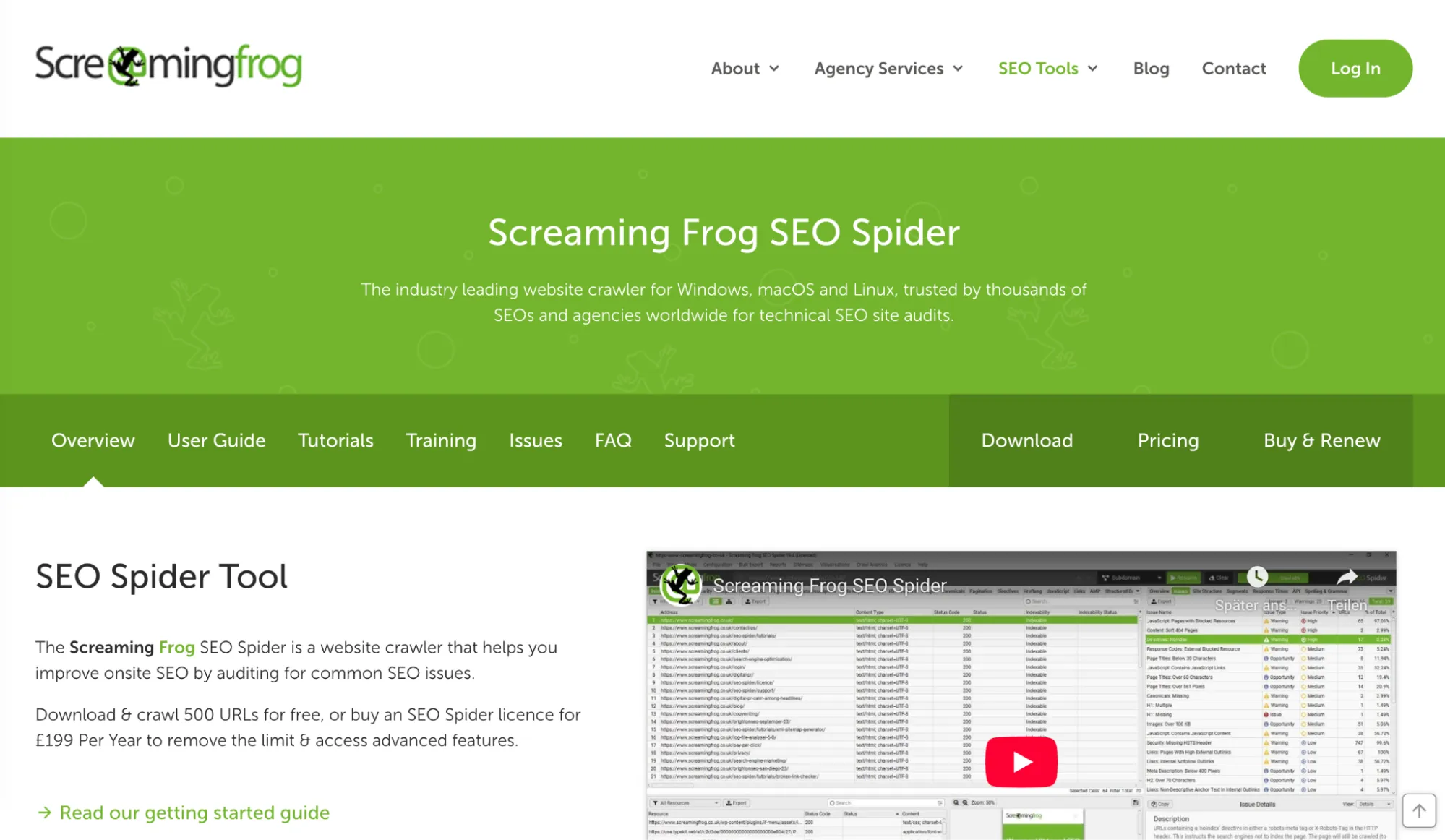
If you're less interested in keyword research or backlink monitoring and need to dive deep into the technical structure of your website, Screaming Frog is the specialized tool for the job.
The decisive difference from Seobility lies in the architecture.
Seobility is a cloud crawler, handy because it runs in the browser and checks automatically. Screaming Frog, on the other hand, is a local program that you install on your computer. In everyday use that's a bit less convenient than a cloud tool, but it allows much deeper analyses. Since the tool uses your computer's processing power, even very large websites with hundreds of thousands of URLs can be crawled in detail.
I use the Frog whenever I can't get any further with Seobility's standard reports. Do you want to untangle complex redirect chains, analyze server log files or check whether JavaScript content is rendered correctly? Those are tasks for which Seobility is often too superficial. Screaming Frog lists all the technical details here.
However:
It's a pure audit tool. There's no rank tracking, no keyword database and no content analysis. So it's not an alternative for the whole suite, but a sensible addition for the technical audit area.
The tool is mainly suited to technical SEOs, developers and pros who support relaunches or look after very large websites. If you need to solve technical problems that other tools miss, Screaming Frog is the right solution.
3. Semrush
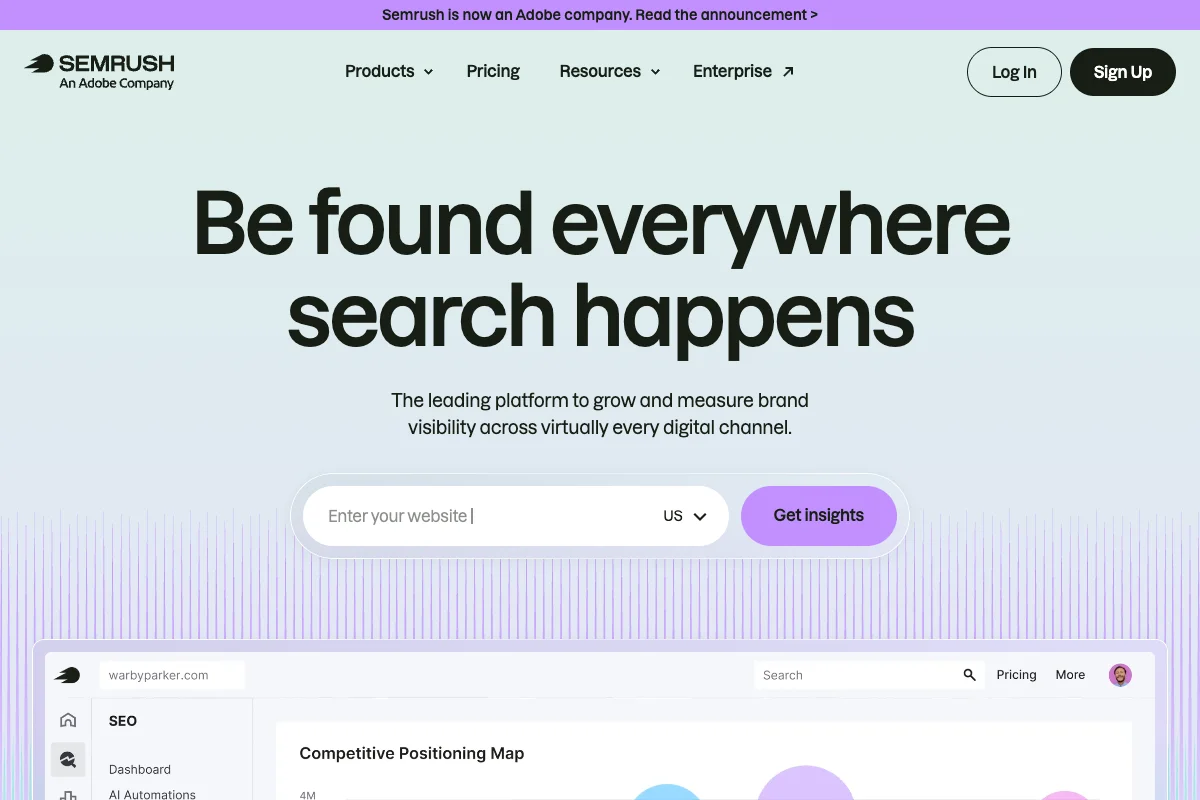
Semrush is the international market leader among SEO suites and targets a completely different audience than Seobility. It's the tool for teams where the budget is secondary and maximum data power is needed.
While Seobility focuses almost exclusively on SEO, Semrush gives you data on almost everything.
SEO, SEA, display ads, social media, content marketing and PR. The databases are huge and among the best in the world.
In practice, I mainly use Semrush when advertising plays a role alongside SEO or when competitors need to be analyzed across channels. For purely SEO-driven questions, though, there are leaner Seobility alternatives such as SE Ranking or Mangools.
But the scope has its downsides too.
The sheer number of features can quickly feel overwhelming. The interface is full of menus and data points. If you're coming from Seobility's reduced structure, expect a longer learning curve.
Then there's the price.
With an entry price of around $140 per month (and expensive add-ons for almost everything extra), Semrush is often simply too much for solo operators or owners of niche sites.
So I can recommend Semrush mainly to large agencies and companies that need to closely link SEO and SEA (advertising) and bring the budget to match. If you only do organic optimization, you pay here for many features you'll probably never use.
4. Ryte
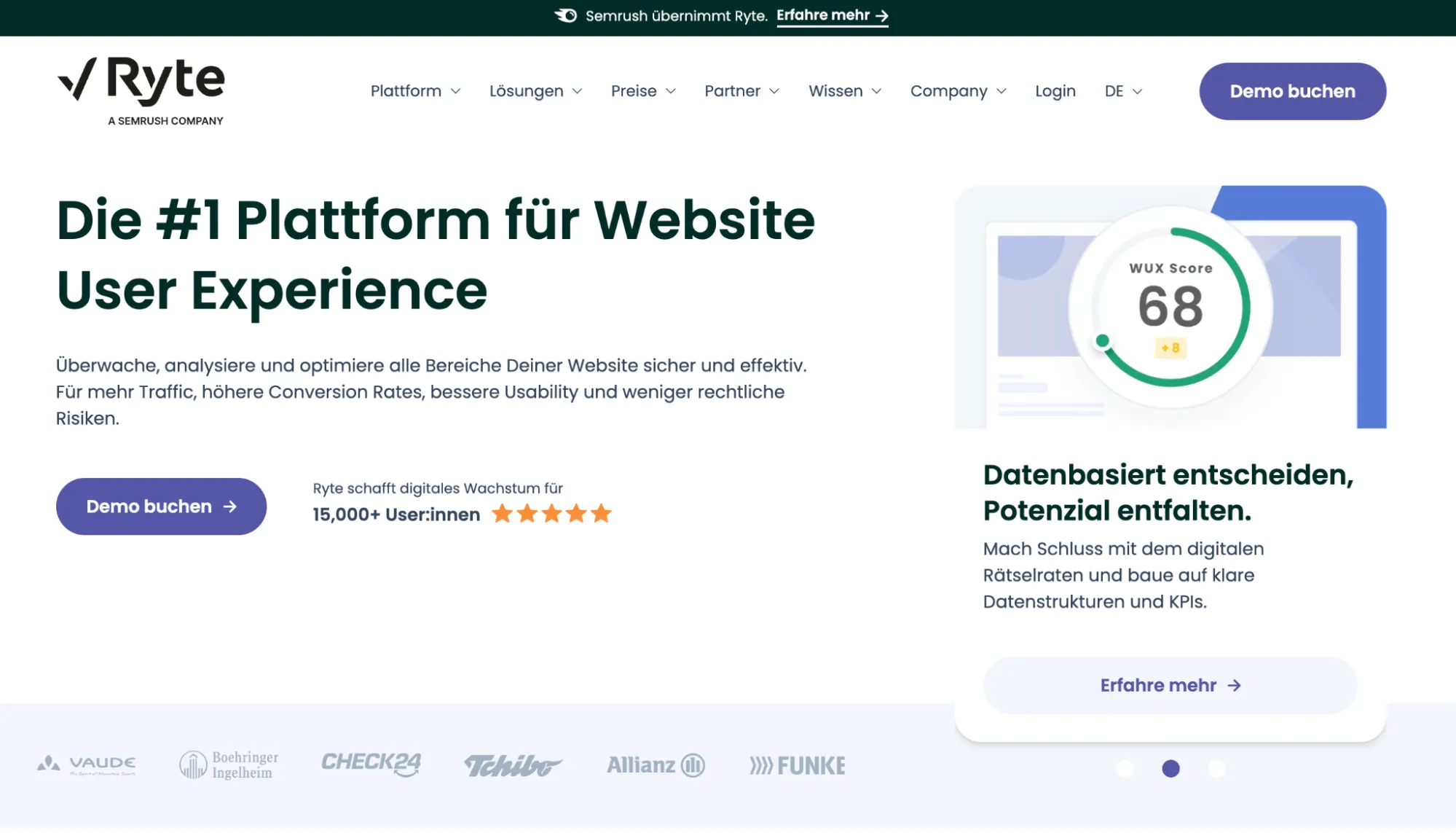
Ryte is similar to Seobility in its orientation. Both tools come from Germany and clearly focus on technical on-page analysis.
The difference lies in the target group. While Seobility works well for the self-employed and small and mid-sized businesses (the German “Mittelstand”), Ryte targets corporations and large brands.
What stands out most is the visualization of the website structure. Ryte presents relationships very graphically, which is especially helpful when technical problems need to be explained internally, for example to management or other departments. The tool also goes extremely deep into asset analysis (images, scripts) and offers, with “Content Success”, a strong module for text optimization based on WDF*IDF.
The big problem is the pricing structure.
There are no transparent packages on the website that you can book directly. The process runs through sales calls and individual contracts. That points to budgets that simply don't fit most freelancers or smaller agencies.
Ryte is mainly suited to in-house SEOs at large companies who manage complex websites and have the budgets to match. If you're looking for an alternative with transparent costs for daily work, you probably won't find it here.
5. Mangools
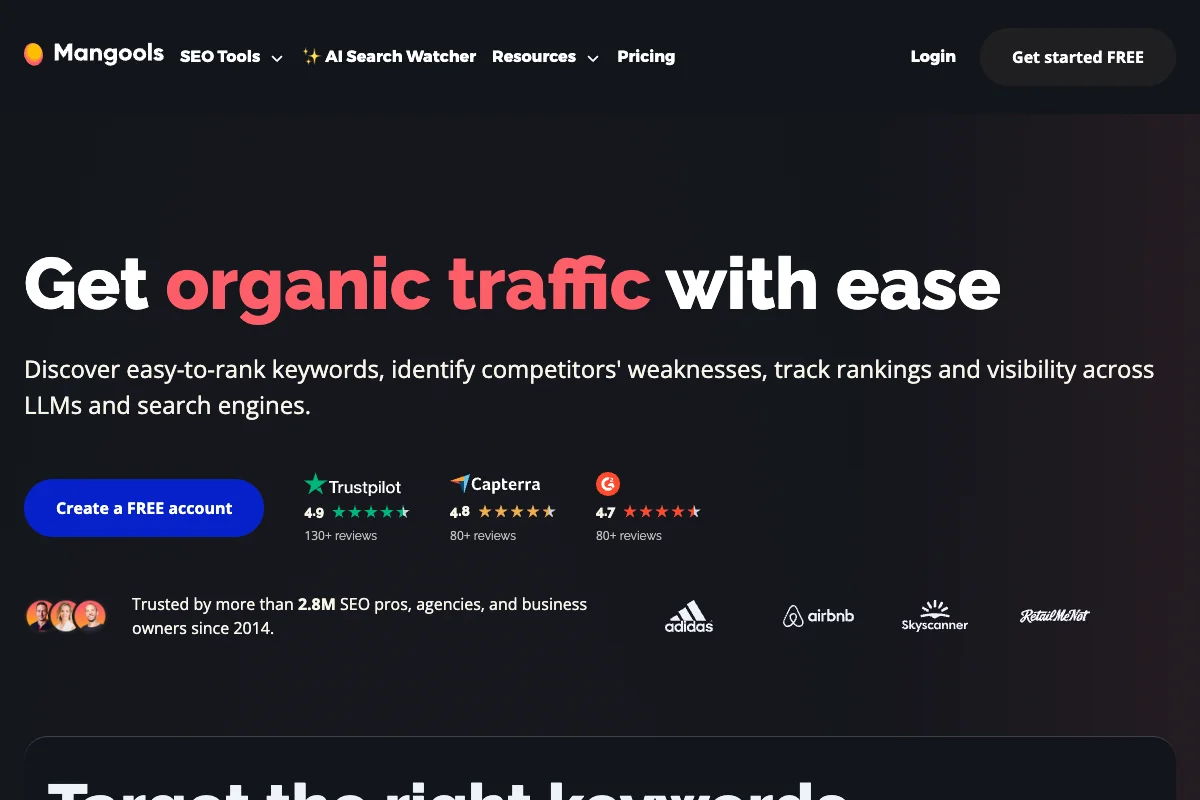
Mangools targets a similar audience to Seobility but sets a different focus. While Seobility concentrates heavily on technical on-page checks, the strength of Mangools clearly lies in keyword research.
Mangools is really a small Swiss Army knife made up of five specialized apps: KWFinder, SERPWatcher, LinkMiner, SiteProfiler and SERPChecker.
The centerpiece and the main reason for many switches is KWFinder.
While keyword research in Seobility often comes across as sober and tabular, KWFinder is tuned for maximum clarity. Very quickly and visually, you get a feel for how hard it is to rank for a keyword (keyword difficulty), and you find long-tail ideas through an intuitive interface.
That's why I often recommend Mangools to bloggers or affiliate marketers who put their focus on writing and finding topics. The barrier to using the tool is extremely low. You don't need a long learning period.
In a direct comparison of technical analysis, though, Mangools falls clearly behind.
The SiteProfiler does give a rough overview of a site's condition, but it doesn't come close to the depth of the Seobility crawler. You'll hardly uncover complex technical errors or deep on-page problems with it.
Mangools is a good choice if you prioritize keywords and technical details are secondary. It's suited to everyone who mainly wants to find topics and track rankings. But if you need to optimize a technically demanding site, you're better off with Seobility.
6. Google Search Console
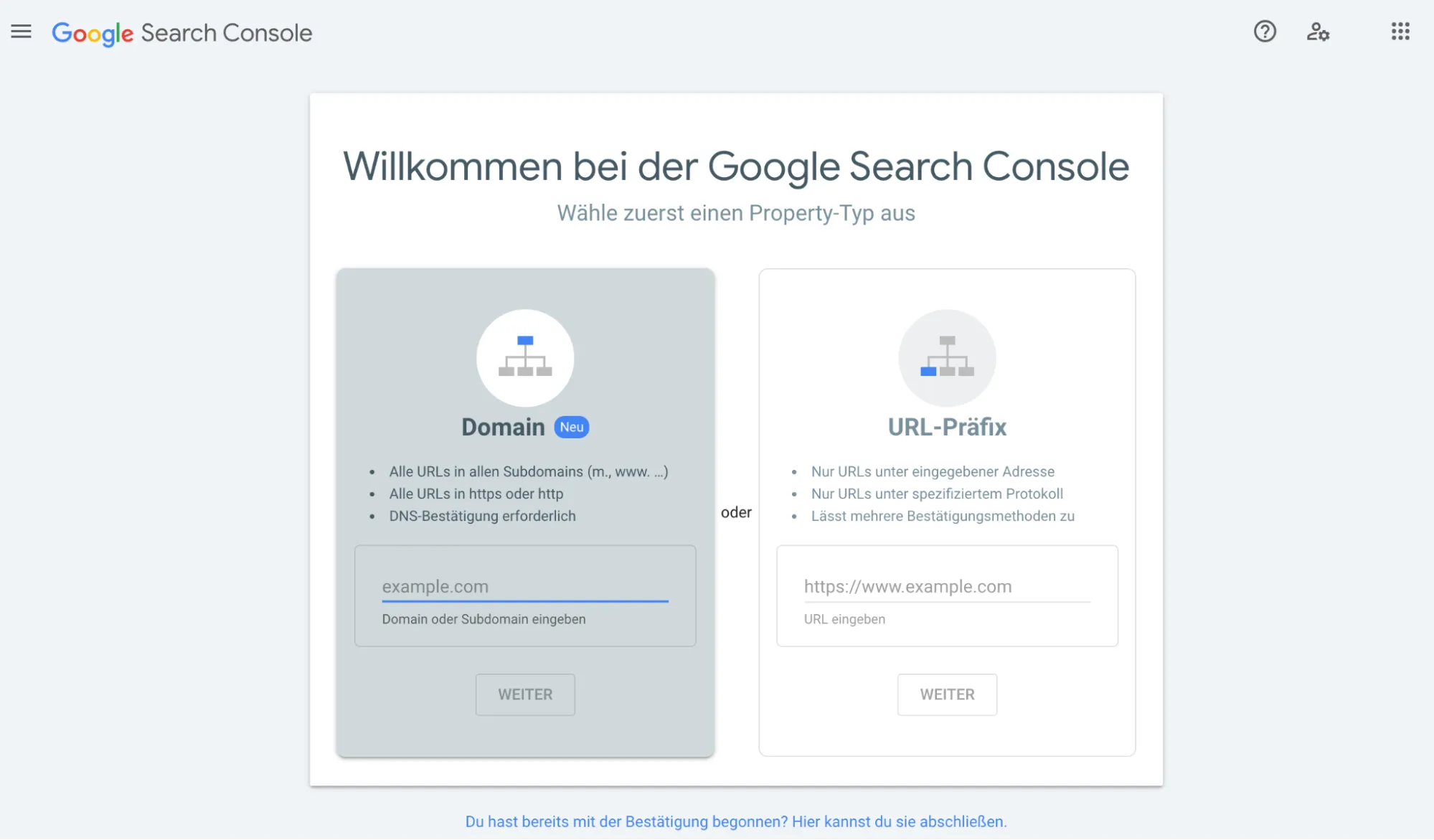
You can argue about SEO tools. You can't argue about the Google Search Console (GSC). It isn't a classic alternative to Seobility but the foundation everything else builds on. I use it on every single one of my projects, including alongside all the paid tools.
The reason is simple.
While Seobility simulates or estimates data (e.g. traffic or keyword positions), the GSC gives you the pure truth straight from the source.
Here you don't see how often a keyword is theoretically searched, but how often your page actually appeared in the search results and how many users really clicked. For indexing problems too (why isn't my page on Google?), the GSC is the only authority that gives you reliable answers.
Maybe you're thinking:
Why pay for SEO tools at all if this is free?
And I'll tell you:
Because the Search Console has huge blind spots.
First, it's blind to the competition. The GSC only shows you data on your domain. You can't see which keywords your competitor ranks for or which backlinks they have. Seobility makes exactly that visible.
Second, it delivers no new ideas. The GSC only shows you keywords you already rank for. For real keyword research (“What should I write about next?”) it's unsuitable.
Third, it barely helps you fix errors. The GSC does report “errors in structured data”, but often doesn't tell you exactly where in the code the problem lies or how to solve it. Here Seobility takes you by the hand with concrete instructions.
In short:
The Google Search Console is a must. Without it you're flying blind. But it doesn't replace a full SEO tool.
The ideal strategy is the combination. Use the GSC for diagnosis and measuring success, and a suite like SE Ranking or Semrush for competitor analysis, keyword research and technical monitoring.
7. Neuroflash
Neuroflash isn't a classic SEO tool like Seobility. You won't find broken links here, and you won't monitor rankings.
So why is it on this list anyway?
Because SEO today consists largely of content, and the writing process is often a bigger bottleneck than the technology.
While Seobility tells you which keywords to use (WDF*IDF), Neuroflash takes over the part of actually writing the text. That closes the gap between keyword research and the finished article.
The advantage over the bare ChatGPT window is the focus on German-language marketing texts and the workflow built around it. Instead of prompting yourself every time, you click through ready-made templates for blog articles, product descriptions and ads. With PerformanceFlash you also get a prediction of how a text might land before it goes online. That saves time compared with the classic “publish and hope”.
But:
It's a pure writing tool.
It doesn't replace a technical audit or a backlink analysis. Anyone who believes AI content alone can solve SEO problems is mistaken. If your site is technically broken, even the best Neuroflash text won't help.
Neuroflash is suited to teams that have to produce a lot of content and want to speed up the writing process. It's a functional extension for the editorial part of SEO work but doesn't replace an analysis suite for technical monitoring.
8. Surfer SEO
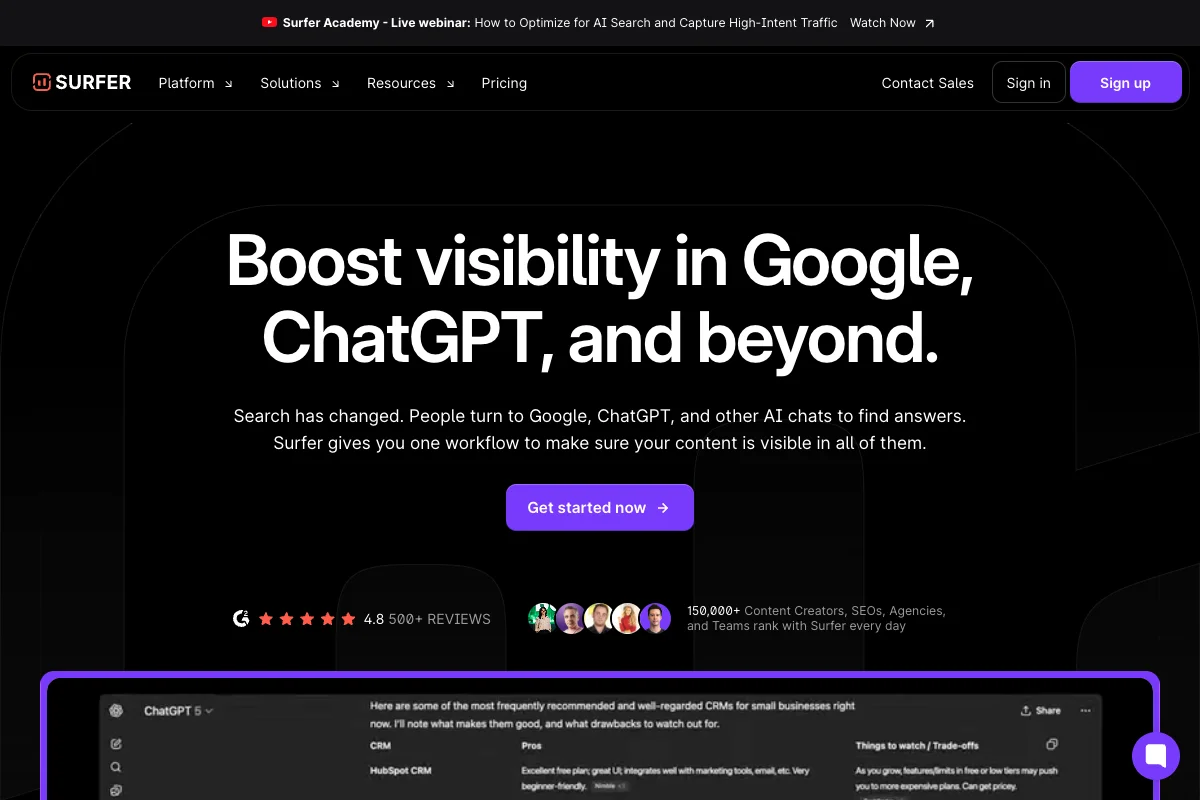
Surfer takes a completely different approach from Seobility. While Seobility, as a suite, monitors the health of the whole website, Surfer concentrates entirely on perfecting individual texts.
The core promise is data-driven content optimization.
Instead of relying on general SEO rules, Surfer analyzes the top search results for your target keyword in real time. It calculates averages for word count, structure, keyword density and semantic terms. The result is a content editor that tells you exactly which terms to use and how often to reach high relevance for Google.
The difference from Seobility lies in the depth of the analysis.
Seobility delivers a solid basic optimization. Surfer goes much further and uses modern language models to understand the context of words as well. It has also integrated strong AI features by now, which not only analyze texts but can write sections too.
This specialization comes at a price, though.
At around €49 a month, the entry price is for a tool that covers only a single area of search engine optimization. Small site owners quickly hit their budget limits here.
There's also a trap many people fall into.
If you stubbornly try to reach a content score of 100, you eventually stop writing for people and start writing for a score. This very reflex, especially in the era of AI Overviews, makes texts sound like AI mush. So use Surfer as guidance, not as a dictator.
A technical audit or rank tracking for the whole domain isn't available here. Surfer checks neither hreflang tags nor 404 errors.
Surfer is the tool for highly competitive keywords. If you just can't get onto page 1 with an article despite good technology, Surfer is often the lever that makes the difference. It's a tool for individual texts, but no substitute for the technical maintenance of the website.