
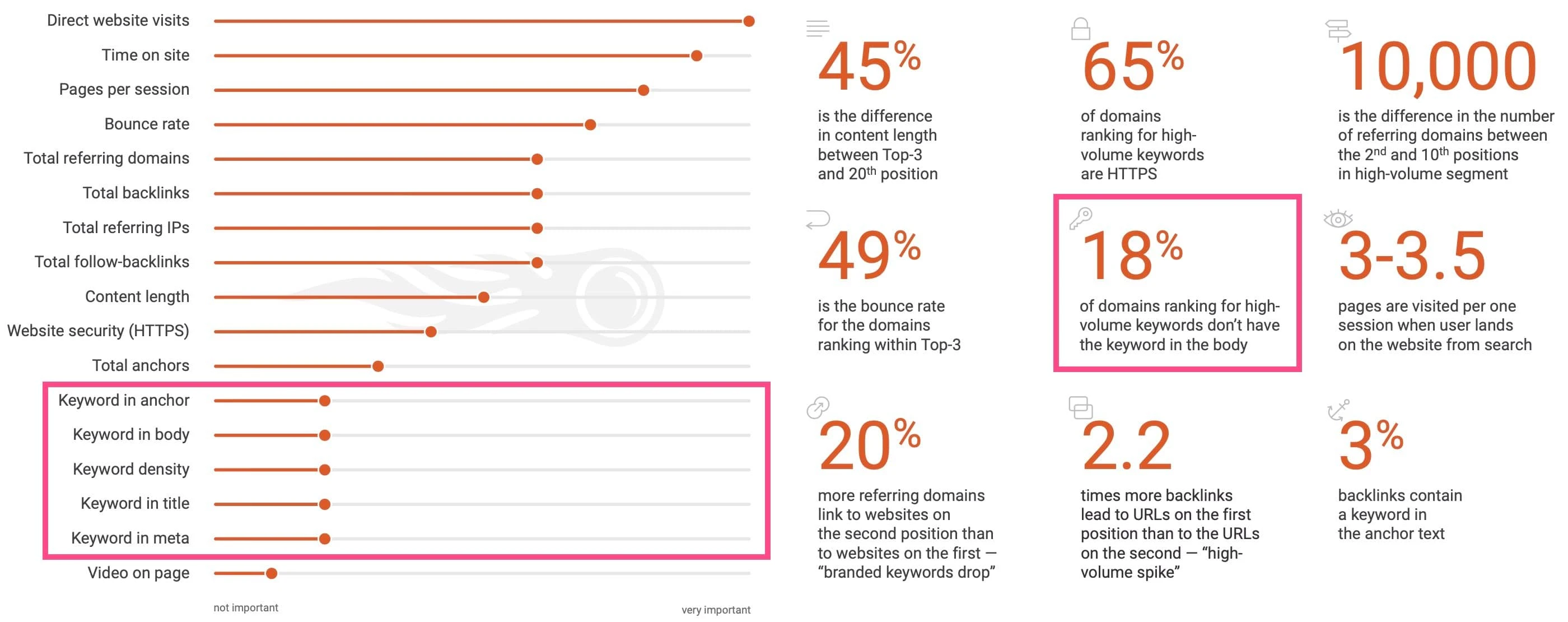
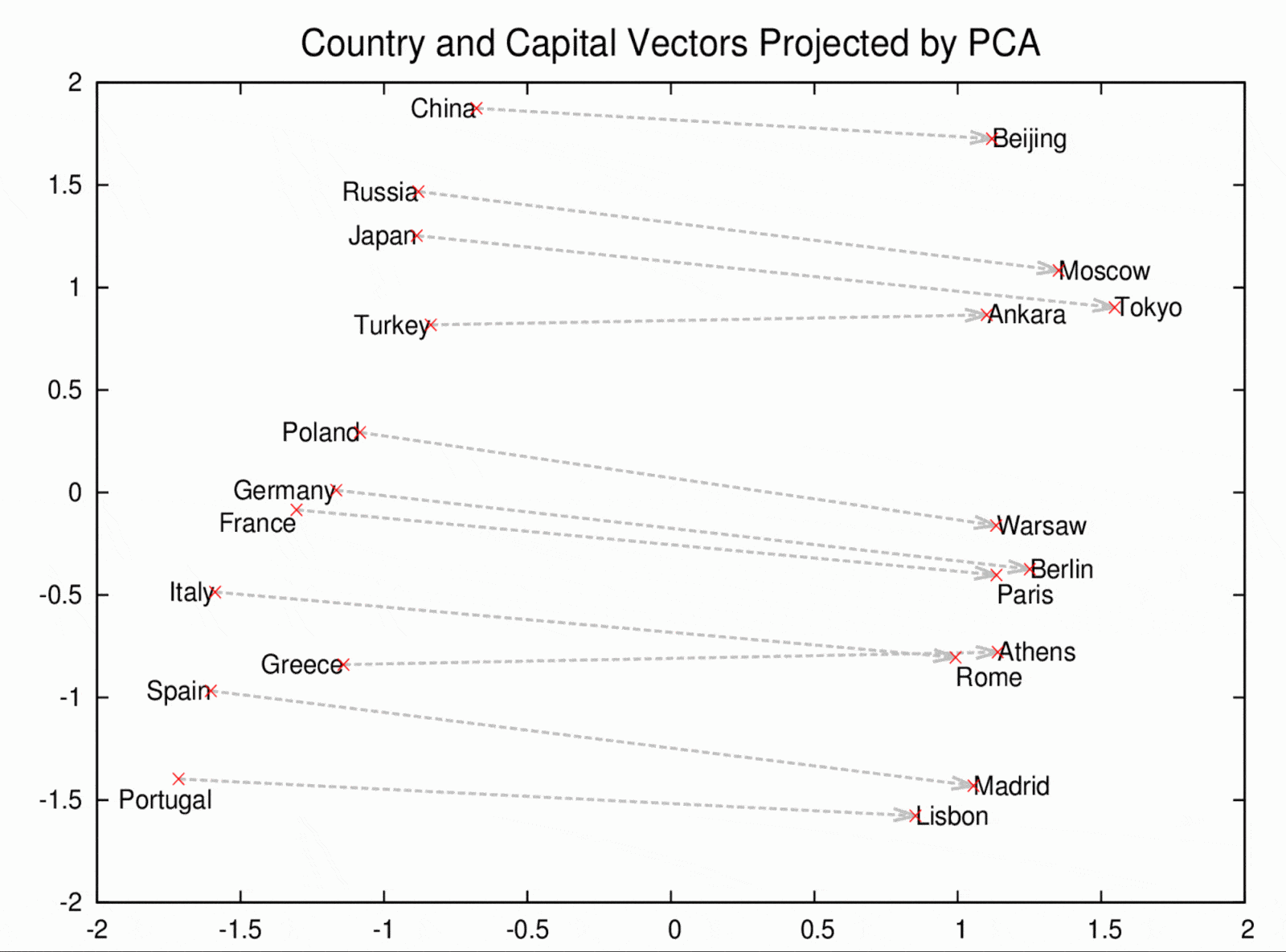
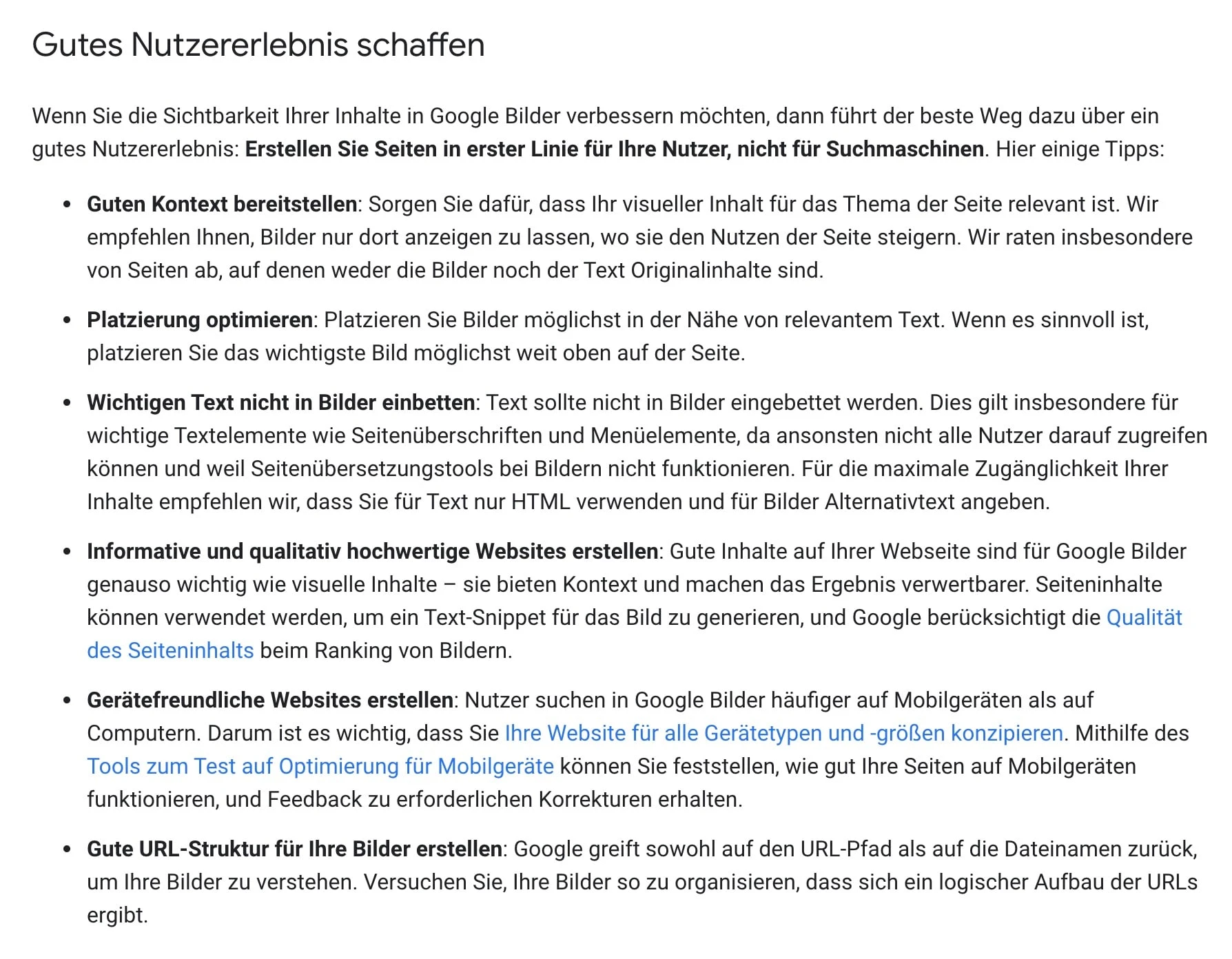
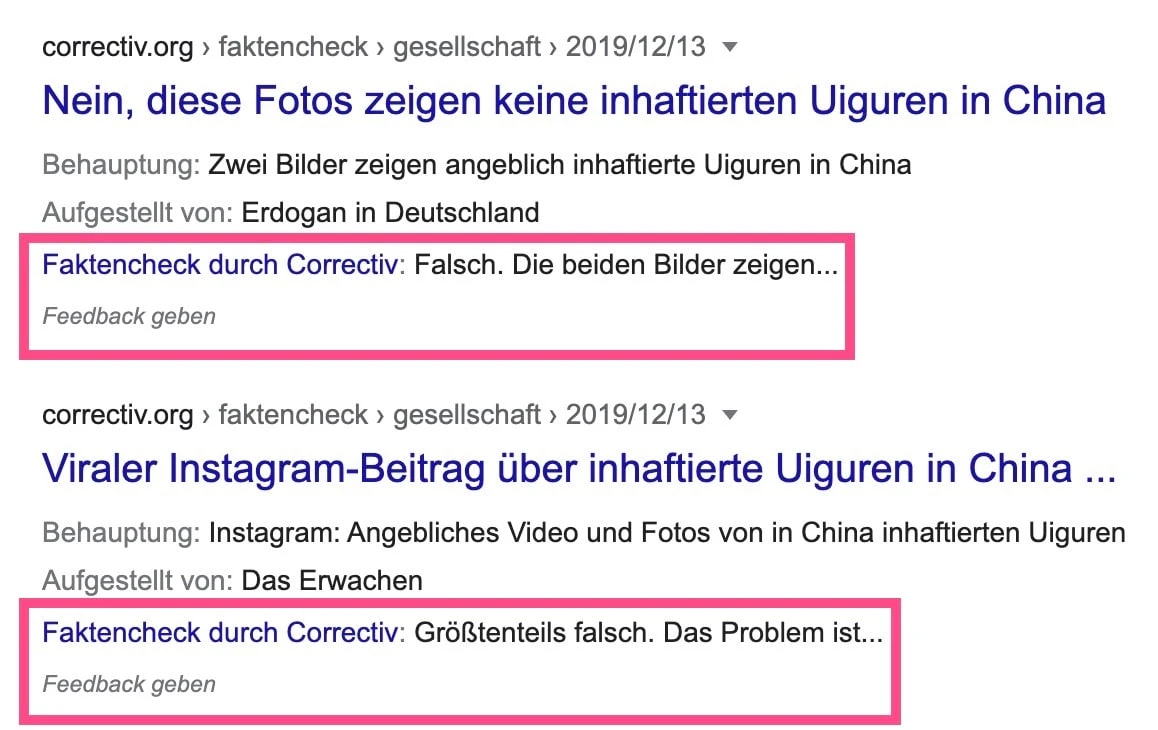




Google doesn't publish a complete list of its ranking factors. Still, for years the SEO world has been talking about supposedly exactly 200 factors.
That number is not a current official statement. Today Google instead talks about many factors and signals that are processed by various ranking systems.
That doesn't make research any easier. Many lists mix confirmed signals with old statements, patents, correlations, and pure speculation.
That's why I classified every entry in this list.
Here you'll find 207 possible ranking factors, crawling signals, and indexing signals with 620 external source links. You can filter all entries and open the evidence directly.
Which ranking factors does Google name itself?
There is no fixed top 5 list. On its “How Search Works” page, though, Google describes five core areas that play a role in selecting and ordering results.
- Meaning of the query: Google tries to understand the words, the intent, the need for freshness, and possible ambiguities of the query.
- Relevance of the content: The systems check how well a piece of content matches the query. That's not only about identical keywords, but also about other relevant content and relationships.
- Quality and usefulness: Google tries to prioritize helpful, reliable content. Links or mentions from well-known websites can give hints about trustworthiness.
- Usability: If other signals are similarly strong, a page that is more accessible and usable can have the edge. That includes mobile display and loading behavior, among other things.
- Context: Location, language, settings, and to a limited extent personalization can influence which results fit a specific search.
The weighting is not fixed. For a current news story, freshness matters more than for a dictionary definition. For a local search, location plays a bigger role than for a general knowledge question.
E-E-A-T is not a single ranking factor
E-E-A-T stands for Experience, Expertise, Authoritativeness, and Trustworthiness.
In its documentation on helpful and reliable content, Google makes two points explicitly clear.
- E-E-A-T is not a single ranking factor.
- Trust is the most important of the four E-E-A-T aspects.
Instead, Google's systems use a mix of different signals to identify content with strong E-E-A-T. For so-called YMYL topics, such signals get more weight. YMYL covers content that can significantly affect health, financial stability, safety, or the well-being of society.
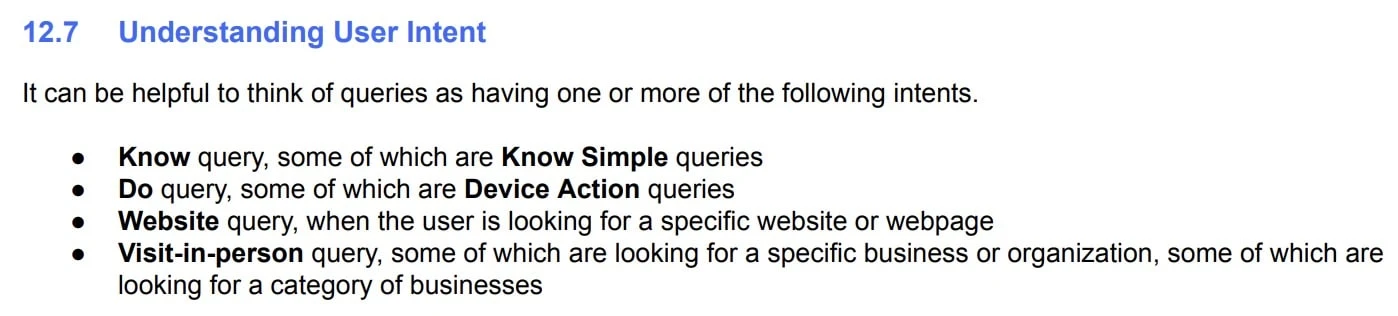
The Search Quality Rater Guidelines help human quality raters evaluate search results. These raters can't change the ranking of an individual page. Their ratings give Google feedback on whether changes to the systems work.
How I rated the sources
A source can support a claim without proving that a signal is active in every case today. That's why I treat the following source types differently.
- Current Google documentation: It is the strongest source for confirmed features, guidelines, and technical requirements.
- Official statements and publications: They are helpful, but have to be read with their date and context. A statement from an old webmaster hangout can be outdated today.
- Search Quality Rater Guidelines: They describe how human raters evaluate quality. They are not a direct list of ranking signals.
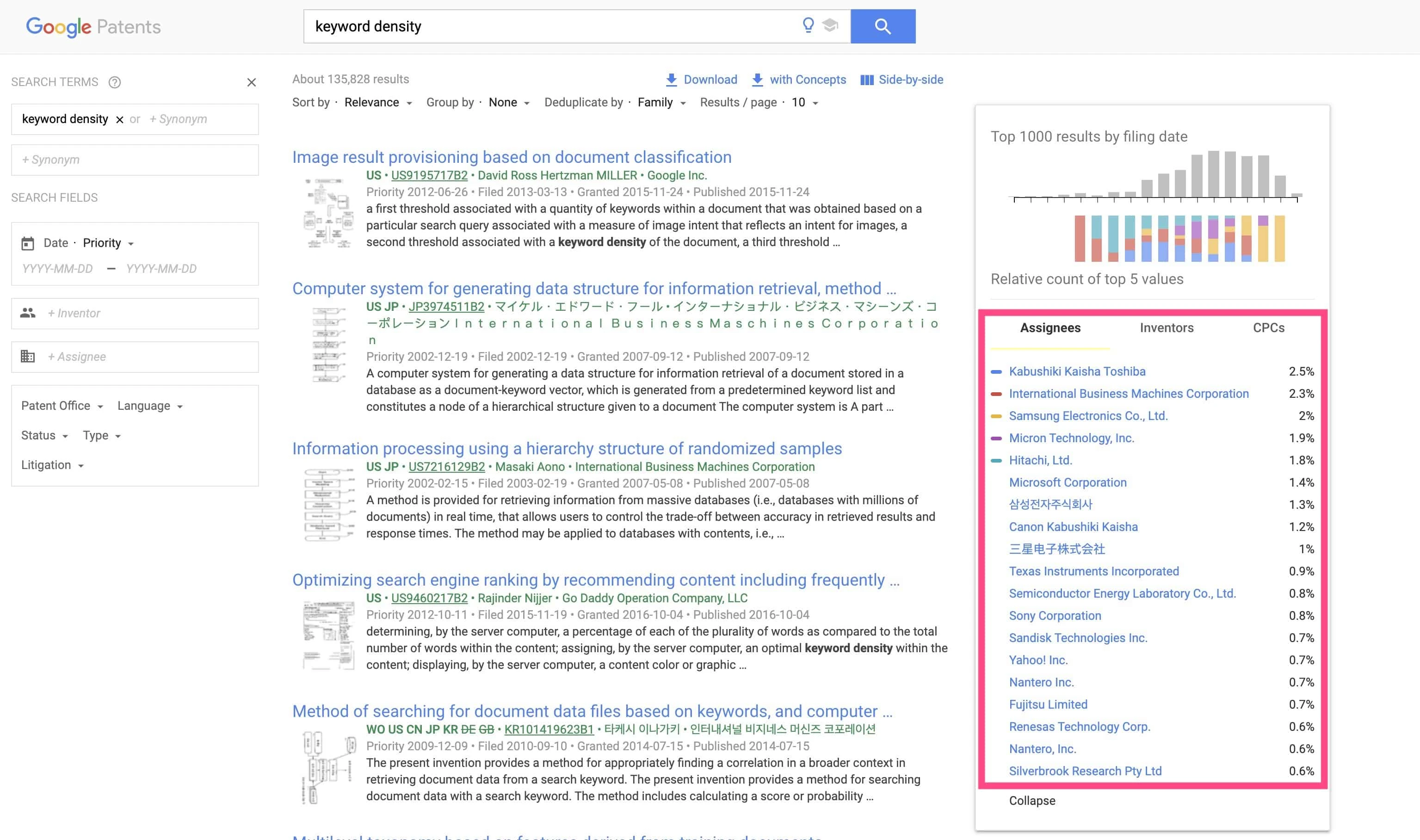
- Patents and research papers: They show possible methods. A patent doesn't prove that Google used, or still uses, the method it describes.
- Leaked internal documentation: The Content Warehouse API documentation published in 2024 shows field names and comments. It shows neither whether a field is populated today nor how heavily it is weighted.
- Court documents: Rulings and exhibits from United States v. Google are dated and partly redacted. A note of a conversation is not a verbatim transcript.
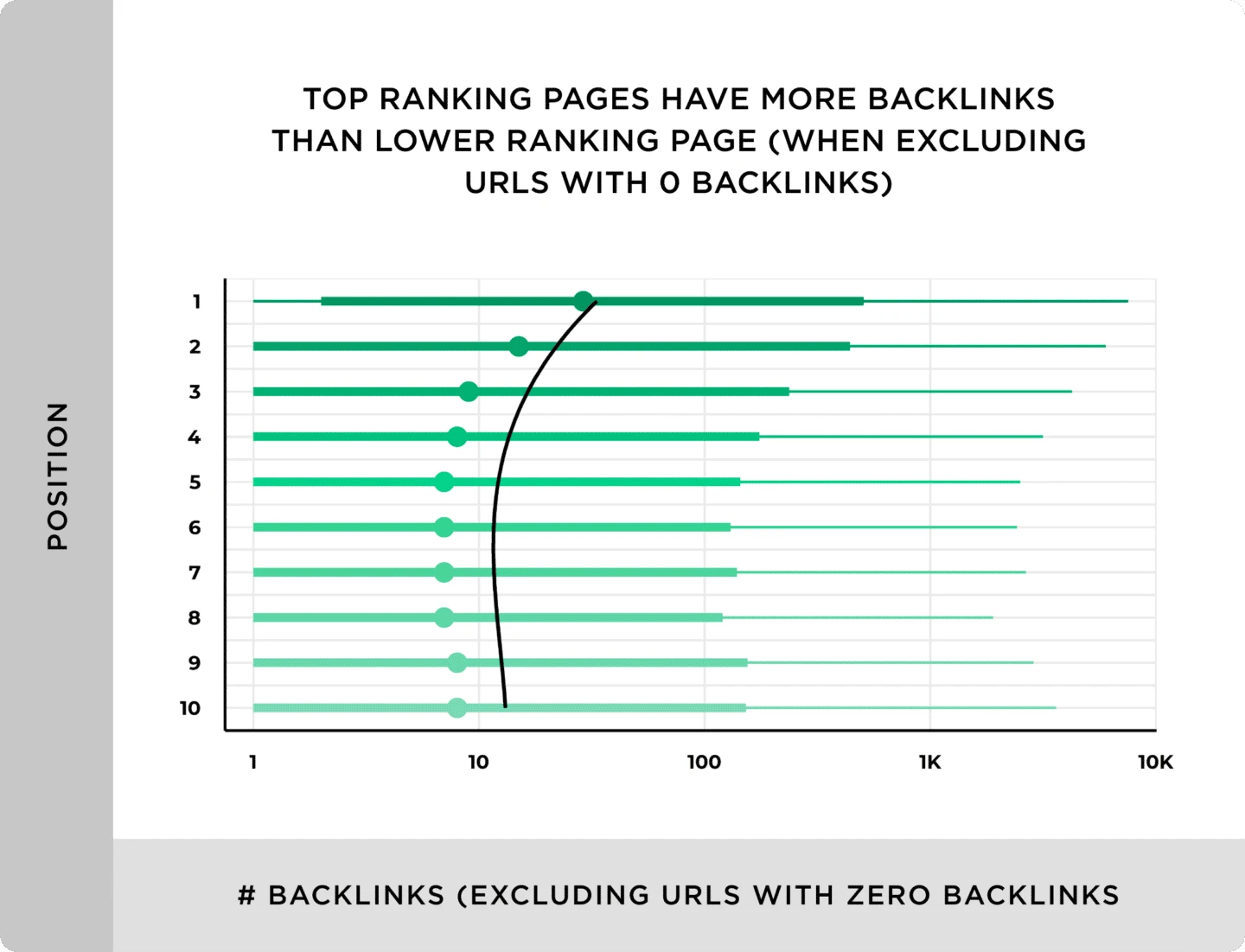
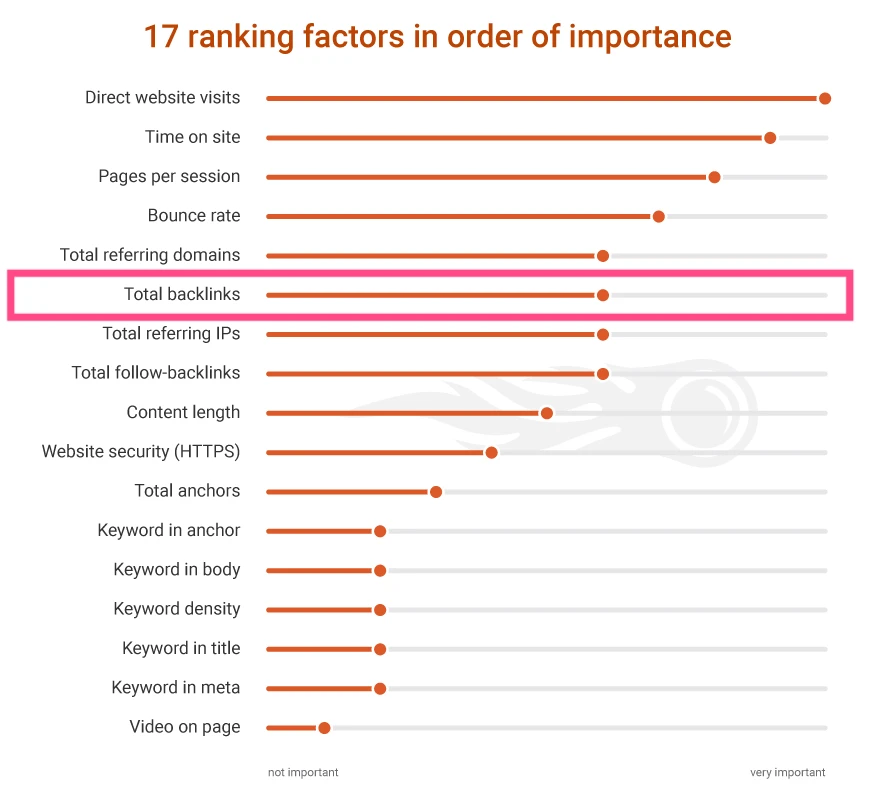
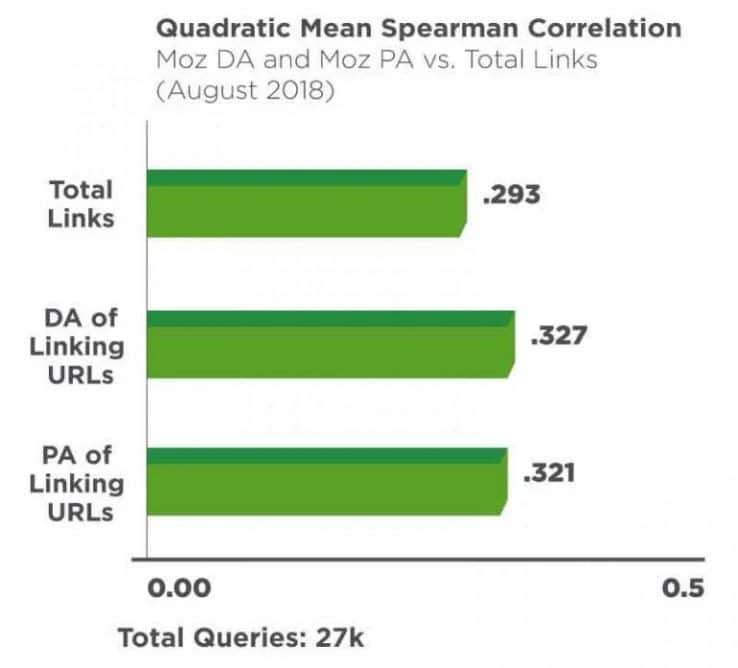
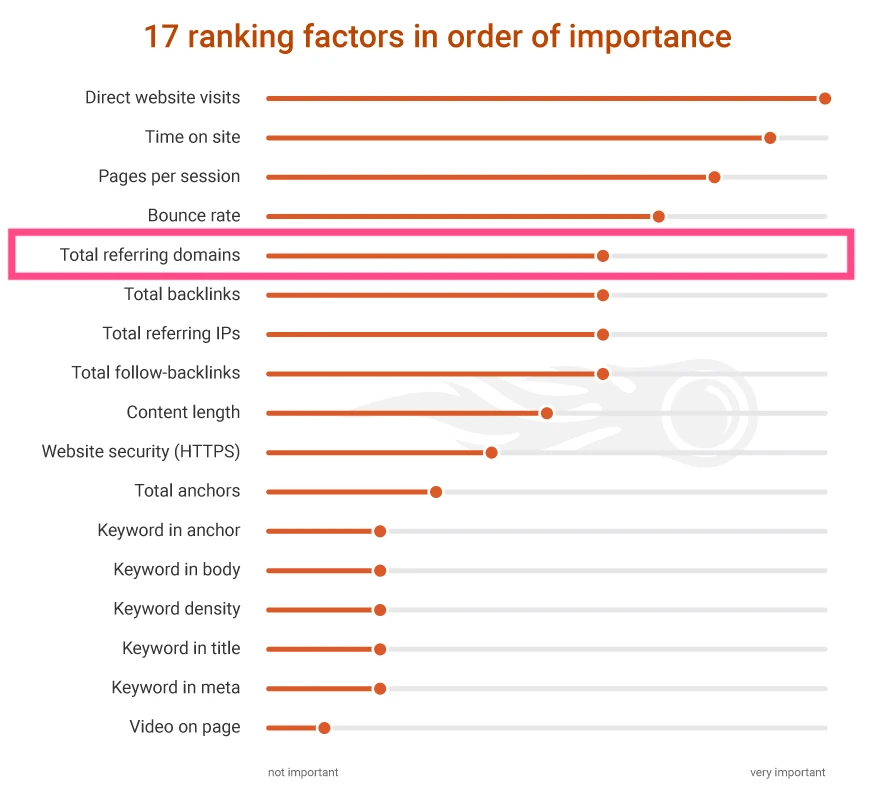
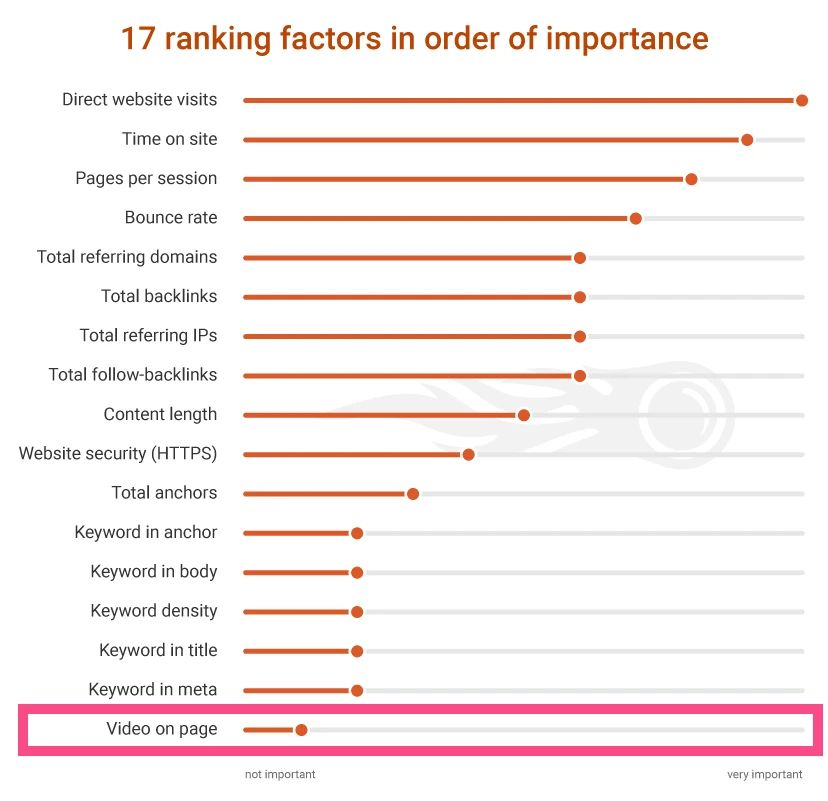
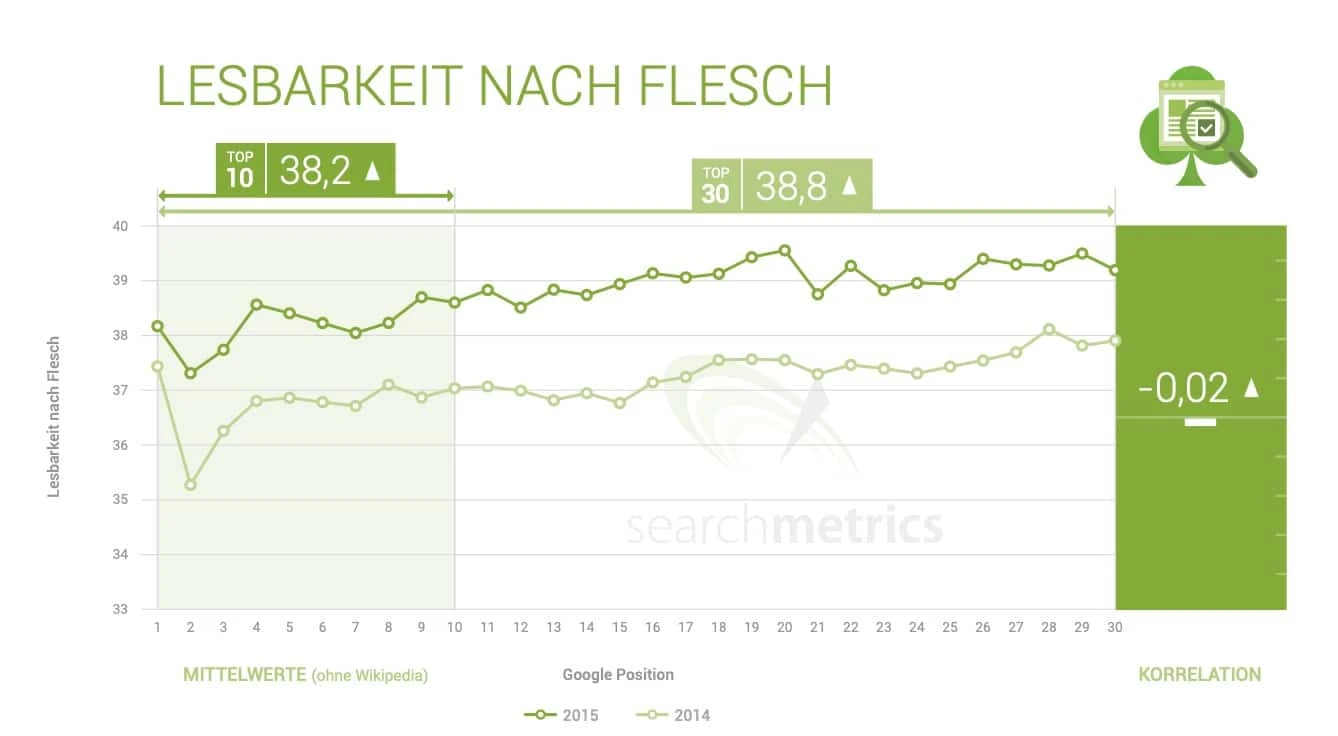
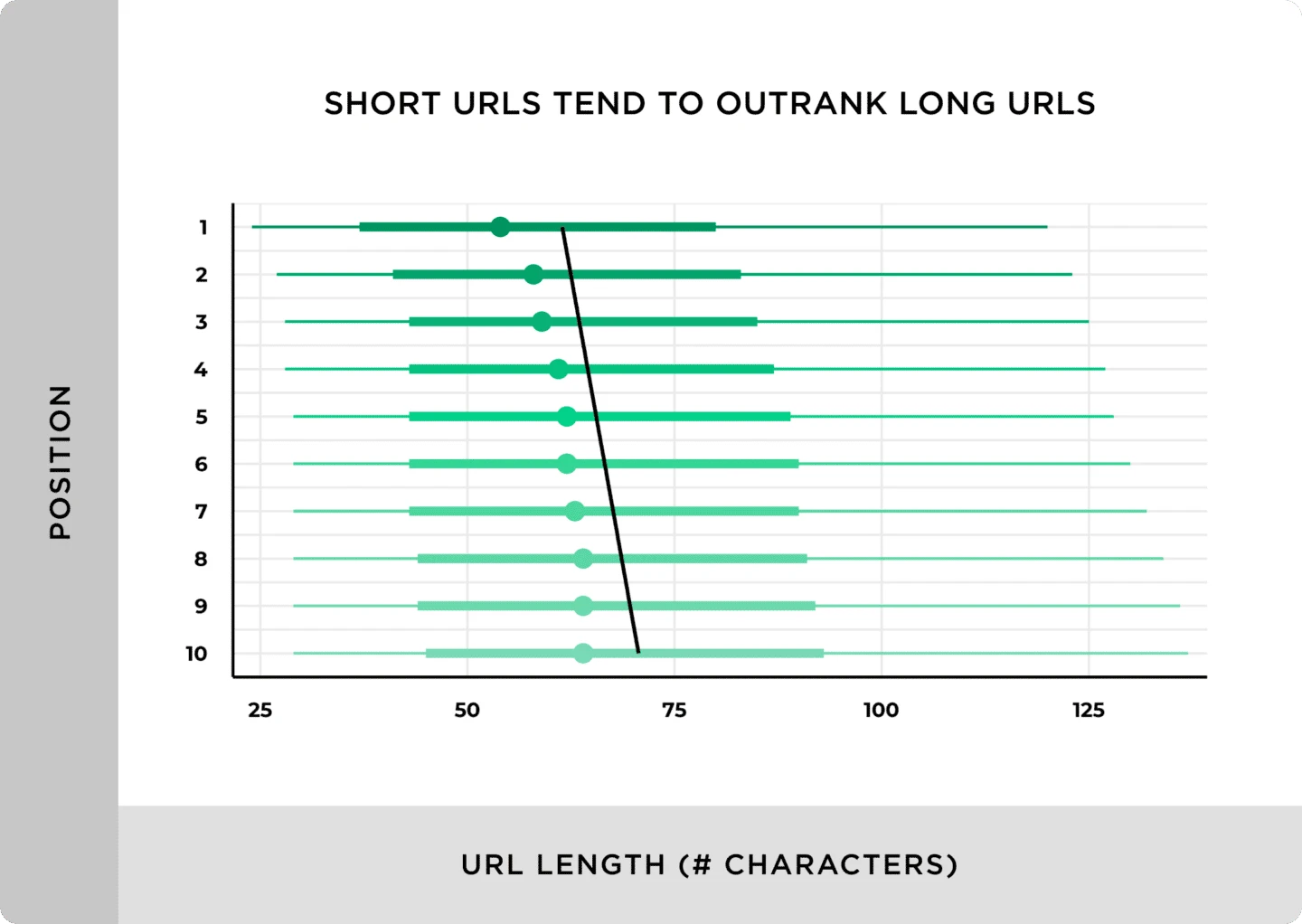
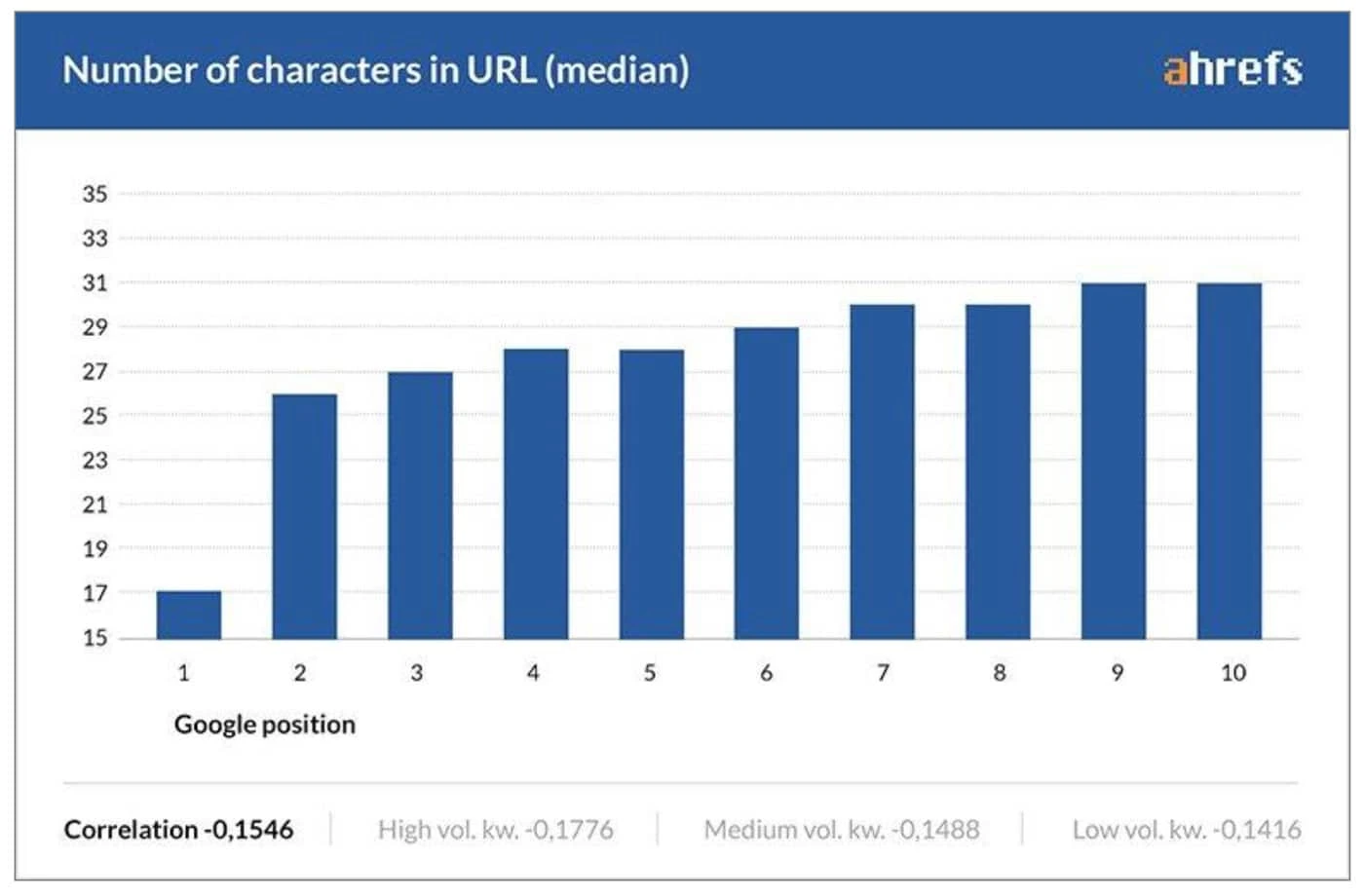
- SEO studies: They can make relationships visible. A correlation doesn't prove a cause, though. Dataset, time period, search market, and measurement method limit how much the results can tell you.
- Tests and individual cases: They provide hints, but can rarely be cleanly separated from updates, competitor movements, and other changes.
Even well-known system names don't automatically reveal the current weighting. A stored feature can be active, experimental, restricted, or unused.
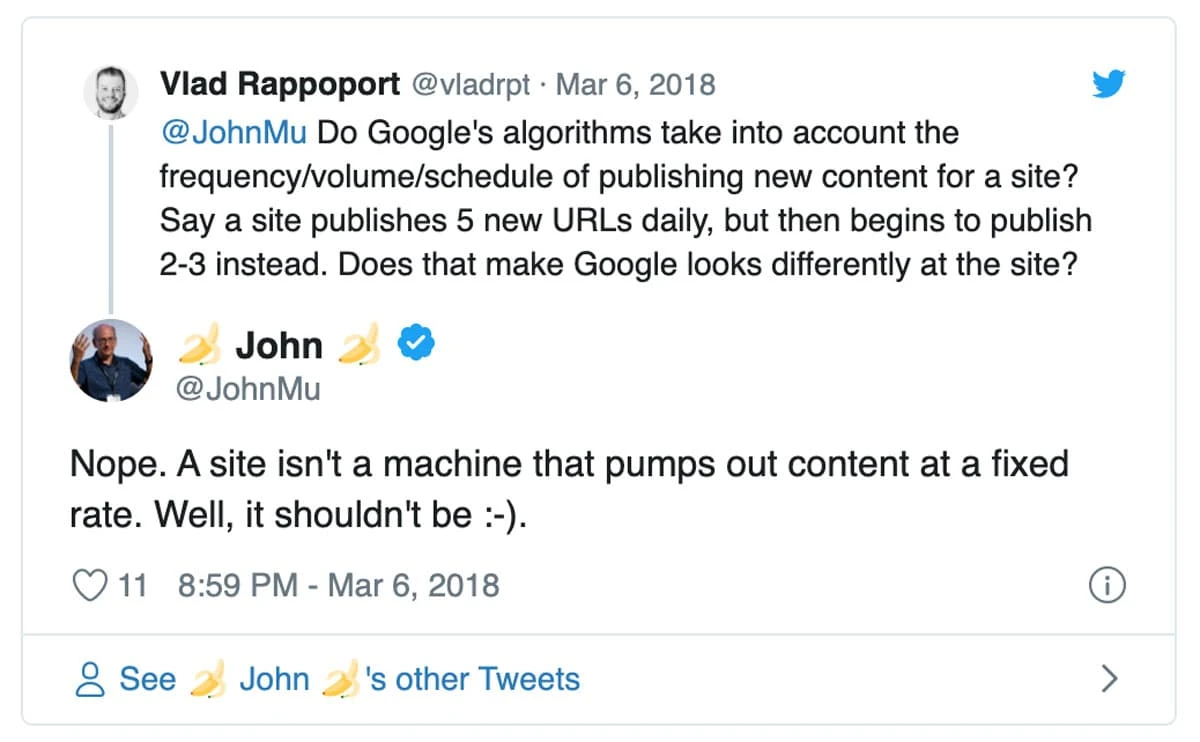
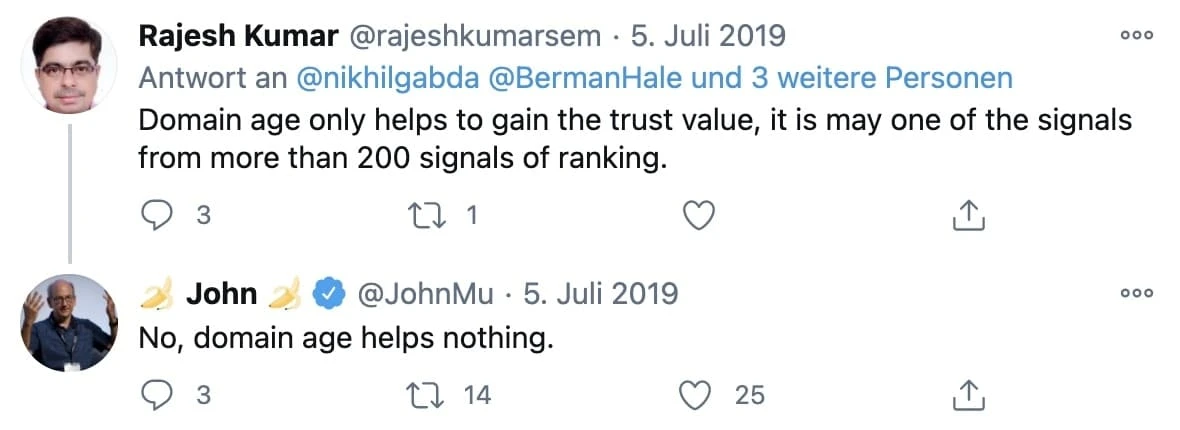
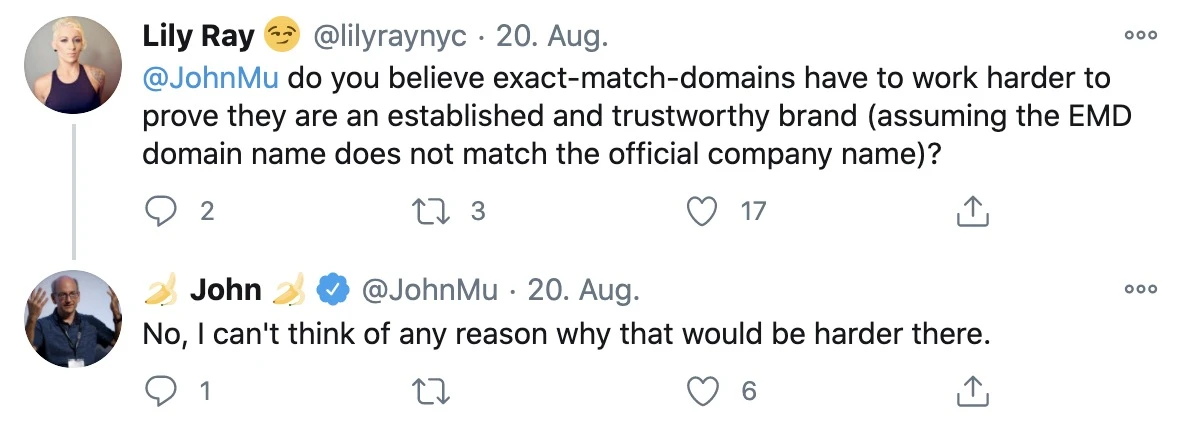
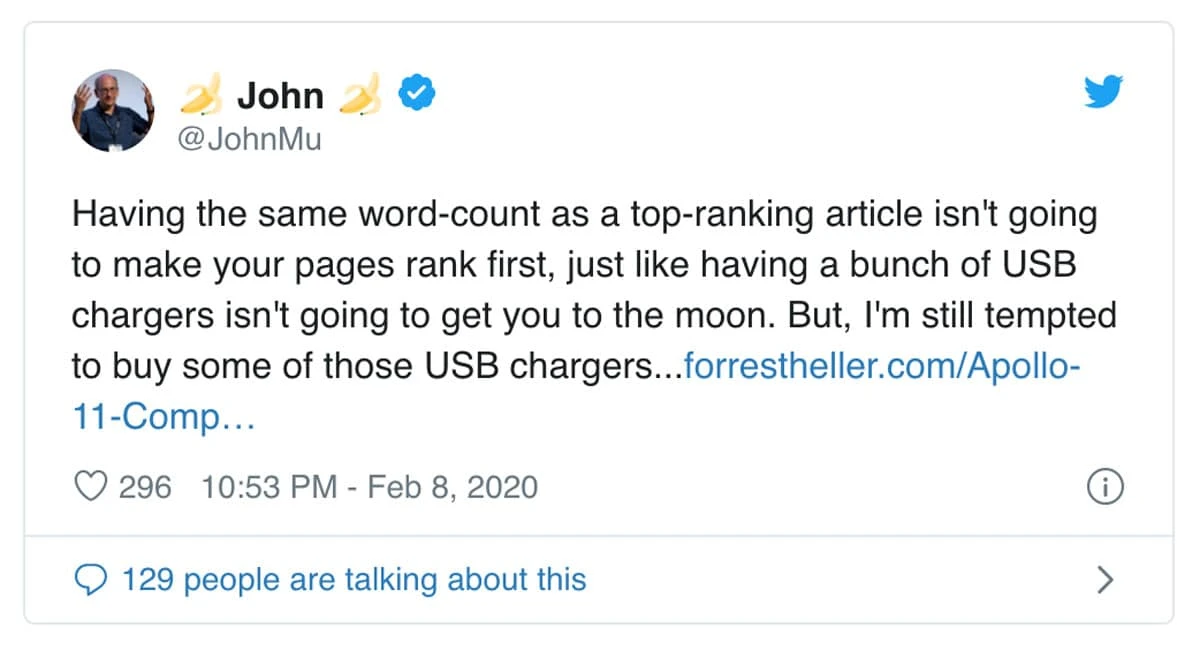
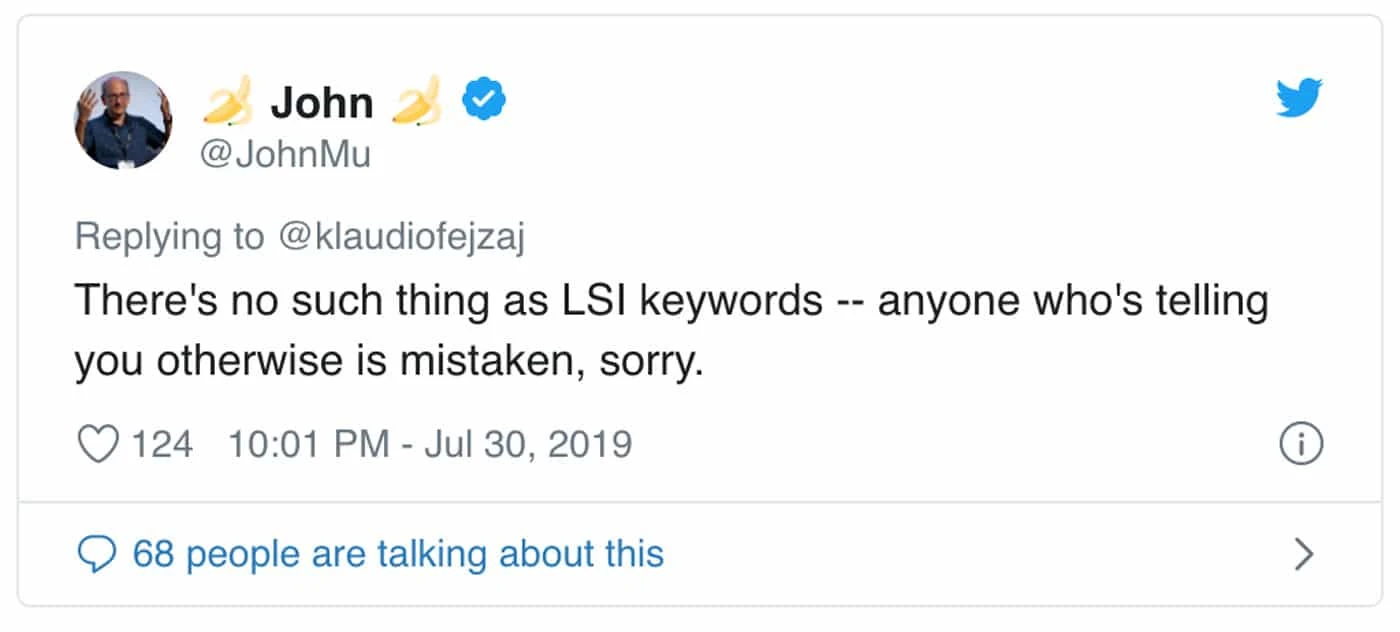
I only left historical statements from Twitter in as verbatim context if the original text was documented. I removed the links to tweets that are no longer publicly available, and they don't count toward the external source links.
Crawling, indexing, and ranking are three different steps
Many supposed ranking factors actually influence crawling or indexing. This distinction matters.
- Crawling: Google discovers URLs and fetches allowed content with its crawlers. A sitemap can help with discovery, but guarantees neither crawling nor indexing.
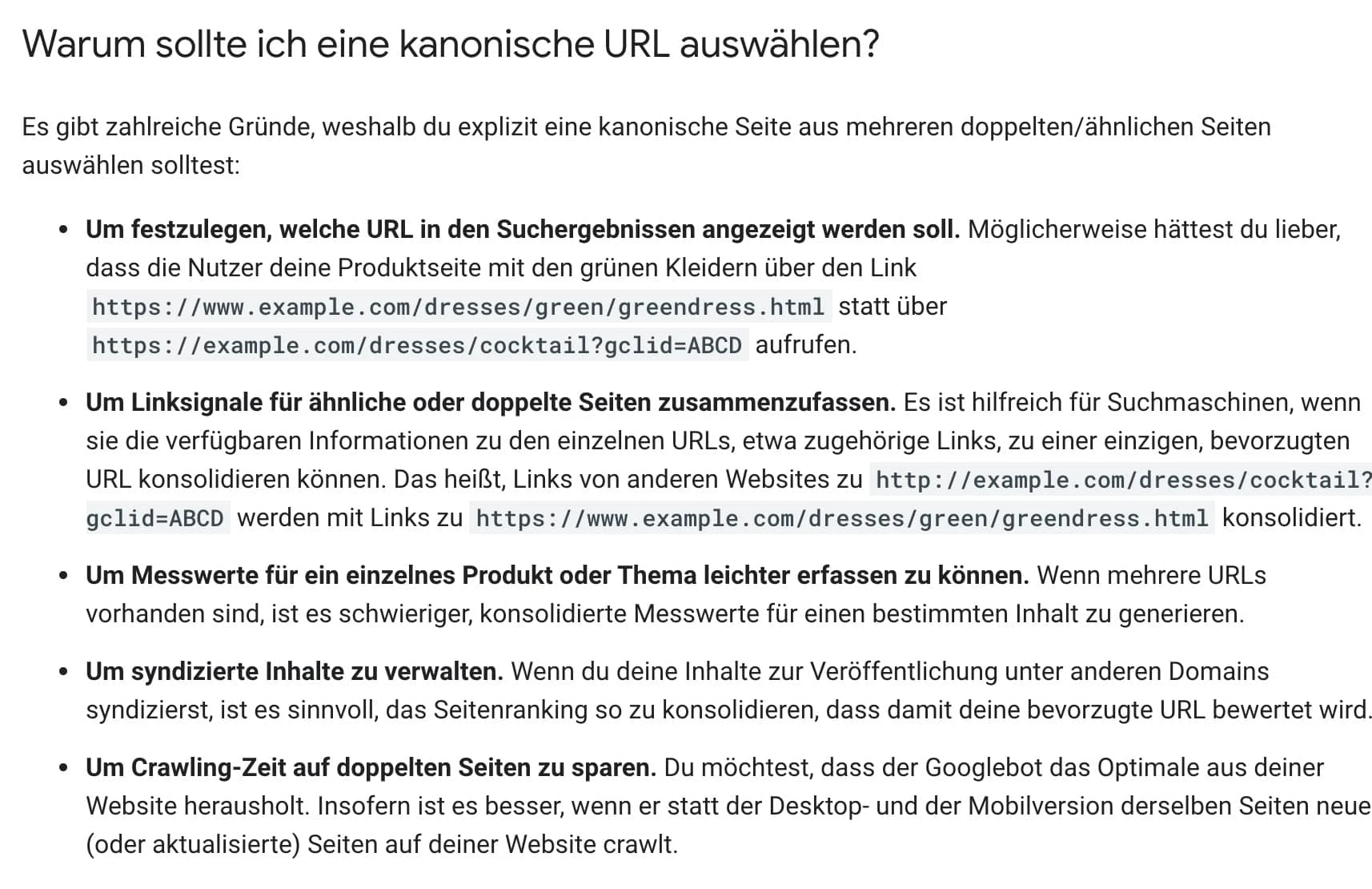
- Indexing: Google processes text, images, videos, metadata, and other signals. For similar URLs, Google picks a canonical version. Not every crawled page gets indexed.
- Ranking: For a specific query, Google's systems order suitable results. The order can differ depending on search intent, language, location, need for freshness, and other signals.
A URL blocked by robots.txt can still appear in the index without its content if Google discovers it through links. If a page shouldn't appear in search, a reachable noindex directive or access protection is the right solution.
Confirmed doesn't mean important
Google explicitly confirms some signals. That says little about their strength in a specific search, though.
A good example is the Core Web Vitals. Google names LCP, INP, and CLS as signals it uses. Good values still don't guarantee a top position. More relevant content can rank better even with a weaker page experience.
That's why the list contains no supposedly exact weights. Google doesn't publish these values, and the weighting can differ depending on the query.
Overall weighting trend
Counted across the 189 factors in the list that have a stated trend.
How to use the list effectively
Here is the order I would go in.
- Filter by whether you want to investigate crawling, indexing, or ranking.
- Start with confirmed and very probable signals.
- Open the sources and check the date, context, and source type.
- Assess the search intent and the competing results before you prioritize a measure.
- Measure the effect on your own website instead of treating a general correlation as a guarantee.
You can use it for a technical SEO audit, for content revisions, or to check link profiles and common SEO myths.
In short:
Use the list as a research tool. Don't treat it like a recipe where 207 individually checked-off points automatically lead to number 1.